Every Room, Every Risk: A Privacy Audit of the Connected Devices Taking Over American Homes
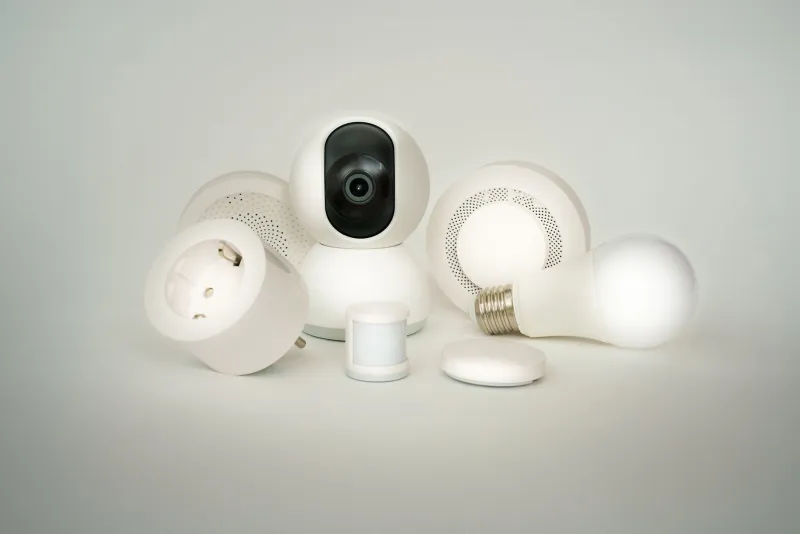
The phrase "smart home" conjures images of convenience — lights that respond to your voice, thermostats that learn your schedule, doorbells that show you who is outside before you open the door. What the marketing materials tend to omit is the other side of that equation: a home full of connected devices is also a home full of microphones, cameras, sensors, and data pipelines, many of which are configured by default to share information with manufacturers, third-party advertisers, and, in some cases, anyone who discovers a vulnerability in the firmware.
According to a 2023 report from the Pew Research Center, a majority of American adults now live in households with at least one smart device. The security posture of those devices varies enormously, and the privacy implications are rarely explained clearly at the point of purchase. What follows is a room-by-room examination of where the risks are concentrated and what practical steps can meaningfully reduce your exposure.
Living Room: The Speaker That Never Stops Listening
Smart speakers — Amazon Echo, Google Nest, and Apple HomePod among the most prevalent — are designed to detect a wake word and then transmit your request to cloud servers for processing. The theoretical model is clean. The practical reality is messier.
All three major platforms have acknowledged, at various points, that audio recordings are sometimes reviewed by human contractors to improve voice recognition accuracy. Amazon settled a Federal Trade Commission complaint in 2023 related to Alexa data retention practices, agreeing to pay $25 million and to delete certain recordings upon user request. The settlement underscored a point that privacy advocates have long made: the data these devices collect does not simply evaporate after your query is answered.
What you can do: Use the physical mute switch on your smart speaker when the device is not actively needed. Regularly review and delete your voice history through each platform's privacy settings — Amazon, Google, and Apple all provide dashboards for this purpose. Disable features you do not use, particularly those that allow the device to make purchases or communicate with third-party skills and actions.
Kitchen: The Appliances That Phone Home
Connected kitchen appliances — smart refrigerators, connected coffee makers, Wi-Fi-enabled ovens — represent a category of device that consumers rarely think of as a privacy concern. In practice, many of these appliances run outdated operating systems, receive infrequent or no firmware updates, and communicate usage data back to manufacturers on a schedule that is rarely disclosed clearly in user agreements.
Security researchers have demonstrated that certain smart refrigerators have exposed Google account credentials through improperly secured OAuth implementations. A connected appliance that sits on your home network alongside your laptop and smartphone can, if compromised, serve as a foothold for an attacker seeking to reach more sensitive devices.
What you can do: Place smart appliances on a dedicated IoT network segment, separate from the devices you use for banking, email, and sensitive communications. Most modern home routers support the creation of a guest network or VLAN that can serve this purpose. Check the manufacturer's website for firmware updates, and apply them promptly — many appliances do not update automatically.
Bedroom: Sleep Trackers, Baby Monitors, and the Data They Generate
The bedroom has become home to some of the most intimate data collection in the modern household. Smart mattresses and wearable sleep trackers record physiological data — heart rate, breathing patterns, movement — that paints a remarkably detailed picture of your health. Baby monitors with video capabilities transmit live footage, often through cloud infrastructure with security records that warrant scrutiny.
In 2019, researchers disclosed that several popular baby monitor brands transmitted video streams with minimal or no encryption, and in some cases with credentials that were either default or trivially guessable. The vulnerability meant that a remote attacker could, in principle, view a live feed from inside a family's home.
What you can do: Change the default password on any camera or monitor immediately after setup, and choose a strong, unique credential. Enable two-factor authentication if the platform supports it. Research the manufacturer's security history before purchasing — look for a published vulnerability disclosure policy and a track record of issuing patches. For sleep and health data, review the privacy policy carefully: understand whether your data is sold to insurers, employers, or data brokers.
Front Door and Garage: The Entry Points That Log Your Life
Video doorbells and smart locks record and, in many cases, store footage of everyone who approaches your home. Ring, owned by Amazon, faced significant scrutiny after reports emerged that the company had provided footage to law enforcement agencies without a warrant and without notifying customers. The company subsequently updated its policies following regulatory and public pressure, but the episode illustrated a tension that persists across the category: the data you generate to protect your home may be accessible to parties you did not anticipate.
Smart garage door openers log every opening and closing event, timestamped and often accessible through a smartphone app — which means that log exists on a server somewhere, subject to that company's data retention and law enforcement cooperation policies.
What you can do: Review the law enforcement data-sharing policy of any doorbell or lock manufacturer before purchasing. In Ring's case, users can now opt out of the Neighbors app's data-sharing features. Enable end-to-end encryption where available. Treat access logs as sensitive data and use a strong, unique password for the associated account.
The Network Itself: Your Router Is the Master Key
Every device in your home connects through your router, which makes the router the single most consequential security decision in the household. A compromised or poorly configured router can expose every device on the network simultaneously, regardless of how carefully those individual devices are configured.
Many Americans are still running routers provided by their internet service providers — devices that may not receive regular security updates and that frequently ship with default administrative credentials that are publicly documented.
What you can do: Change the default administrative password on your router immediately. Disable remote management unless you have a specific need for it. Keep the router's firmware current. Consider purchasing your own router rather than relying on an ISP-provided device; consumer routers from reputable manufacturers often offer longer and more transparent update commitments.
A Final Note on Data Brokers
Beyond the security risks, smart home devices present a data aggregation problem that is less dramatic but arguably more pervasive. The behavioral data collected by these devices — when you wake up, when you leave the house, what media you consume, how often you open the refrigerator — is commercially valuable. Data brokers purchase and resell this information, and the resulting profiles can be used for targeted advertising, insurance underwriting, and purposes that consumers rarely anticipate when they unbox a smart speaker.
The connected home offers genuine convenience. Navigating it with open eyes, however, requires treating every device not merely as a gadget but as a data collection endpoint — and making deliberate choices about which tradeoffs are acceptable.